Here’s how to make sage tea at home using dried or fresh sage. This soothing herbal tea is easy to make and perfect for a sore throat or with lemon and honey.
Sage tea is a potent herbal infusion packed with valuable substances that ease a sore throat and may improve mood or memory. Topically, it may heal wounds or enhance the skin and hair.

Why use sage?
What is the first thing that comes to mind when you think of sage? Is it a herb, a spice, or a medicine?
Well, Sage has it all.
Sage is a medicinal and culinary herb from the mint family native to the Mediterranean region.
Also known as common sage, garden sage, or, in Latin, Salvia Officinalis, it has a rich history of uses throughout the ages. Herbalists and cooks have prized it.
Sage tea has been brewed and used as a stimulating tonic for centuries. Although Romans used sage for better digestion, Greeks used sage decoction for wound healing and sore throat.
Considered a pleasant and healthful drink, salvia tea was thought to strengthen memory and wisdom in medieval Europe. In the 17th century, Dutch traders convinced the Chinese to exchange four pounds of Chinese tea for one pound of sage tea.
According to ancient herbalists, people will never grow old when they drink sage tea.
You don’t want to miss this sage butter sauce. If you have some extra sage leaves,
What is sage herbal tea?
Sage tea is a naturally caffeine-free herbal drink made by infusing sage leaves in hot water. Served hot or cold, this aromatic infusion is tasty and has many health benefits that people have recognized since ancient times.

Sage tea recipe from dried or fresh sage
Drying concentrates the flavor and can give the herb a slightly bitter taste. Therefore, when making an infusion from dried sage, use less than when you make it from fresh sage.
You can either dry your own sage or purchase dried sage online. Always use trusted sources that sell herbs of high organic quality, such as Mountain rose herbs.
To make one cup of potent tea, use one teaspoon (4 grams) of dried sage or two sprigs of fresh sage. I love to sip it alongside these salted caramel cookies.
First step: Boil the water
Since dried sage leaves need to be rehydrated, we add them to the water at the beginning and simmer them instead of just steeping them in boiling water.
Dried Sage: Place one teaspoon of dried sage into a small pot and bring to a boil.
Fresh Sage: Bring one cup of water to a boil in a small pot.
Second step: Infuse the sage
Dried sage: Reduce the heat to medium and let the mixture simmer for 3-4 minutes.
Fresh sage:Place two springs of fresh sage directly into a jug or use a tea ball infuser.
Pour freshly boiled water over it and allow it to steep for 5-10 minutes. The longer you leave it, the stronger the tea will be.
Third step: Strain and serve
Use a strainer to remove the leaves and serve hot. Add a slice of lemon or honey to taste. I like sage tea with lemon juice from one lemon wedge. It helps to get the best flavor from otherwise overpowering sage.
You can also use other sweeteners like maple, homemade lilac syrup, or dandelion honey.

Health Benefits of Sage Tea
Sage tea contains vitamin K, minerals (zinc, magnesium, copper, and iron), flavonoids, and volatile oils.
Known for its antibacterial properties, salvia hot drink can help with oral issues such as plaque build-up and wound healing when applied topically. Its anti-inflammatory power can ease the inflammation of gums. Gargling sage infusion helps heal mouth wounds or sore throats. Similarly, sore throat relief provides thyme tea.
Sage tea contains camphor, which is responsible for cell growth. It contributes to slowing the signs of aging and the formation of wrinkles.
For hair
The healing and conditioning properties of sage tea may help soothe irritation, prevent dandruff, and, at the same time, cleanse the scalp from greasy feelings caused by excessive oil.
Sage tea for women’s health
Sage contains compounds that have similar properties to estrogen and can, therefore, help during menopause caused by estrogen decline. In this study, daily use of salvia tea significantly reduced the number of night sweats and excessive sweating over eight weeks.
For this reason, pregnant women should not drink sage tea as it produces effects similar to estrogen and may cause miscarriage or premature labor.
May improve brain function, memory, and mood
The presence of acetylcholine and antioxidants may help improve memory, problem-solving, and other cognitive abilities.
In a study with 135 adults, researchers found that simply smelling the aroma of this herb boosts memory and mood, compared with a control group.
Sage tea for better digestion
As its bitter and pungent taste suggests, salvia tea leaves ease painful gas and digestion. It is especially helpful for people who have difficulty digesting fatty food.

What Does Sage Tea Taste Like?
Sage tea has a pungent, bitter taste that is more intense when you use dried herbs to prepare sage tea. The fresh version is more vibrant and lighter. Its earthy taste combines the scents and flavors of pine and citrus.
I love its taste when combined with these Coconut Balls.
Can I drink sage tea every day?
Sage is generally considered safe to drink. However, large amounts of sage are contraindicated in pregnancy and during breastfeeding. Always consult with a healthcare practitioner if you have any concerns. Sage tea contains thujone, which is toxic in high doses. Avoid drinking large amounts of tea for an extended period, but it’s safe to drink a few mugs a day。
Can I make it ahead of time?
You can make it beforehand, the sage tea will keep in the fridge for up to two days.

sage tea uses
1) as a warm drink
- To ease a sore throat. combine with thyme and lemon to boost this action
- To improve digestion – you can drink tea before or after a meal or use sage as a spice within the meal
- Improve blood circulation As a blood mover, sage can be used for people with poor circulation resulting in cold hands and feet
- It can improve cognitive function and help prevent memory loss.
- Yarrow tea for menopause symptoms such as hot flashes or sweats
2) a gargle
The sage works similarly to sore throat spray for sore throat
3) Yarrow tea bath to heal wounds
combine it with St. John’s wort to boost the healing action.
Apply this healing yarrow salve afterward for a perfect result.
4) as a mouthwash to ease oral issues such as plaque build
5) Facial steam to improve complexion
Leave the sage tea covered to infuse for about 10 minutes while preparing a blanket and a wooden spoon. Once you have uncovered the lid, mix it with a wooden spoon to evaporate more active substances. Immediately cover with a blanket so that steam does not escape. Hold for as long as possible, at least 15-20 minutes. Inhale with frequent mixing. Excellent for relieving a stuffy nose and sinuses, as well as for the skin.
6) hair rinse
Use it as a hair rinse with apple cider vinegar in the ratio 1:1 – spray and coat your hair and scalp well. Use your finger to distribute the rinse evenly and allow the mixture to sit for 5 minutes. Rinse your scalp and hair well with cold water. It soothes irritation, prevents dandruff, and, at the same time, cleanses the scalp.
To improve the regrowth naturally, use this Rosemary hair rinse instead.
7) steam inhalation
Strong tea as a steam inhalation can help to break up mucus in the lungs and sinuses.
Variations
Combine with Black Tea: Steep black tea and fresh sage leaves in boiling water. The solid black tea pairs well with the earthy sage, creating an aromatic tea.
You can also make an iced version: Steep fresh or dried sage leaves in hot water, let it cool, add honey or sugar for sweetness, and pour over ice cubes with lemon slices for a refreshing touch.

How to make Sage tea

Sage tea is a potent herbal infusion packed with valuable substances that ease a sore throat, may improve mood or memory. Topically, it may heal wounds or enhance the skin and hair.
Ingredients
- 1 teaspoon of dried or 1 tablespoon of fresh or sage leaves
- 1 cup boiled water
Instructions
First step: Boil the water
Since dried sage leaves need to be rehydrated, we add them to the water at the beginning and simmer them instead of just steeping them in boiling water.
- Dried Sage: Place one teaspoon of dried sage into a small pot and bring to a boil.
- Fresh Sage: Bring one cup of water to a boil in a small pot.
Second step: Infuse the sage
- Dried sage: Reduce the heat to medium and let the mixture simmer for 3-4 minutes.
- Fresh sage: Place two springs of fresh sage directly into a jug or use a tea ball infuser.
Pour freshly boiled water over it and allow it to steep for 5-10 minutes. The longer you leave it, the stronger the tea will be.
Third step: Strain and serve
Use a strainer to remove the leaves and serve hot. Add a slice of lemon or honey to taste. I like sage tea with lemon juice from one lemon wedge. It helps to get the best flavor from otherwise overpowering sage.
You can also use other sweeteners like maple, homemade lilac syrup, or dandelion honey.
Recommended Products
As an Amazon Associate and member of other affiliate programs, I earn from qualifying purchases.
-
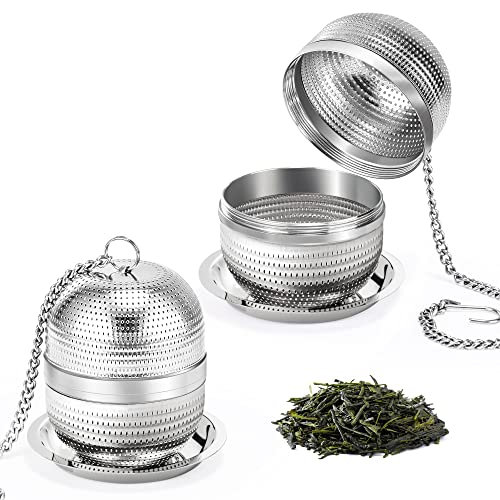
 Yoassi 2 Pack Tea Infusers for Loose Tea, Extra Fine Mesh 18/8 Stainless Steel Tea Strainers, Loose Leaf Tea Steeper Tea Ball Tea Diffuser Tea Holder with Extended Chain Hook and Drip Tray
 -
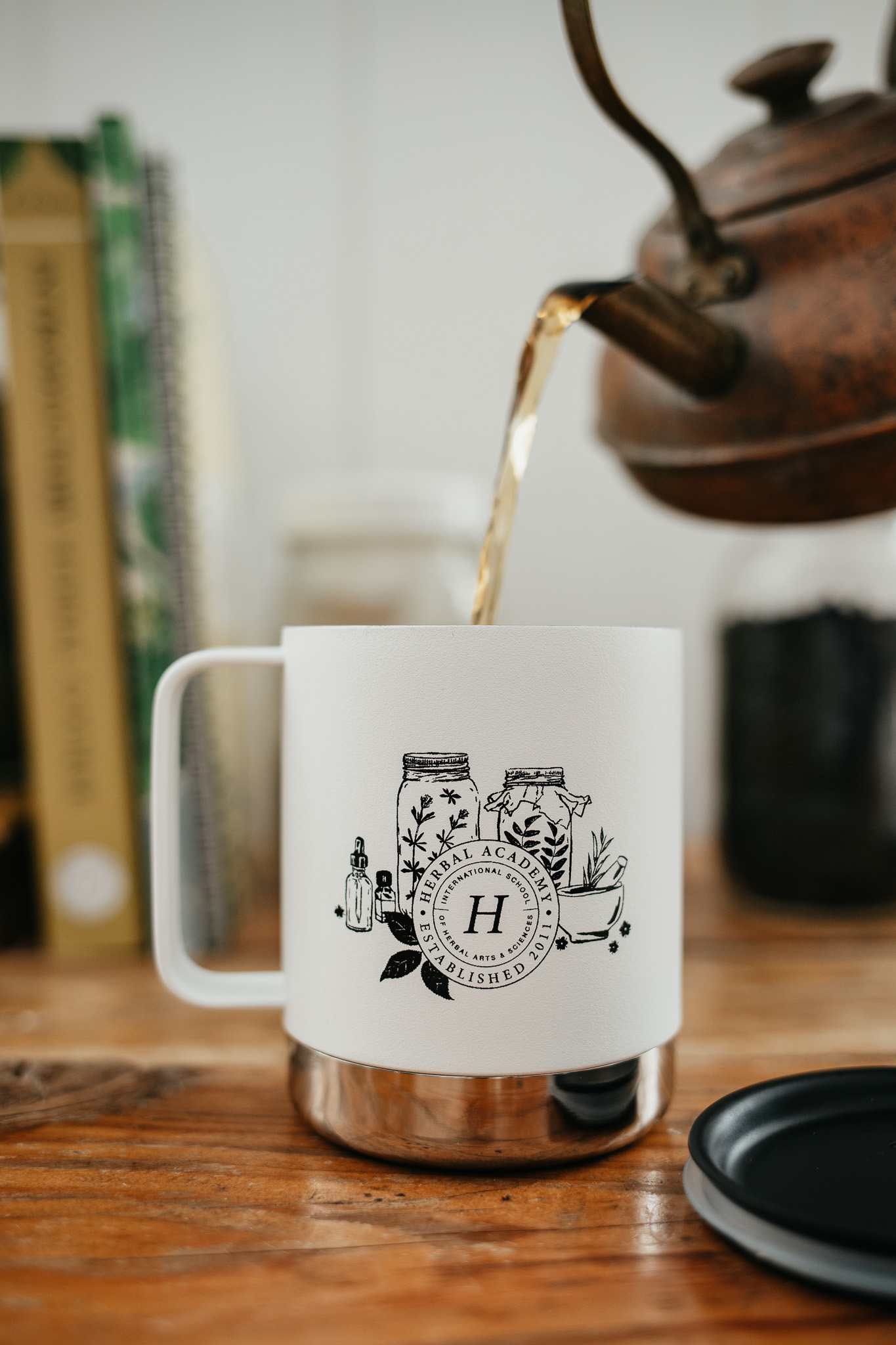
Apothecary Travel Mug
-
900ml Cast Iron Tea Kettle,SECHUDO Teapot Coated with Enameled Interior for Loose Leaf, Small Cast Iron Teapot with Strainer for Stovetop Safe, Green Iron Kettle(30.4oz)

Nutrition Information:
Yield:
1Serving Size:
1Amount Per Serving: Calories: 6Total Fat: 0gSaturated Fat: 0gTrans Fat: 0gUnsaturated Fat: 0gCholesterol: 0mgSodium: 10mgCarbohydrates: 1gFiber: 1gSugar: 0gProtein: 0g
Find more RECIPES for teas
Herbal Tea Recipes Collection
Discover soothing, healing, and aromatic herbal teas made from fresh or dried herbs. From calming chamomile and lemon balm to immune-boosting elderberry tea, these recipes are easy, healthy, and delicious. Perfect for cozy evenings or natural remedies.
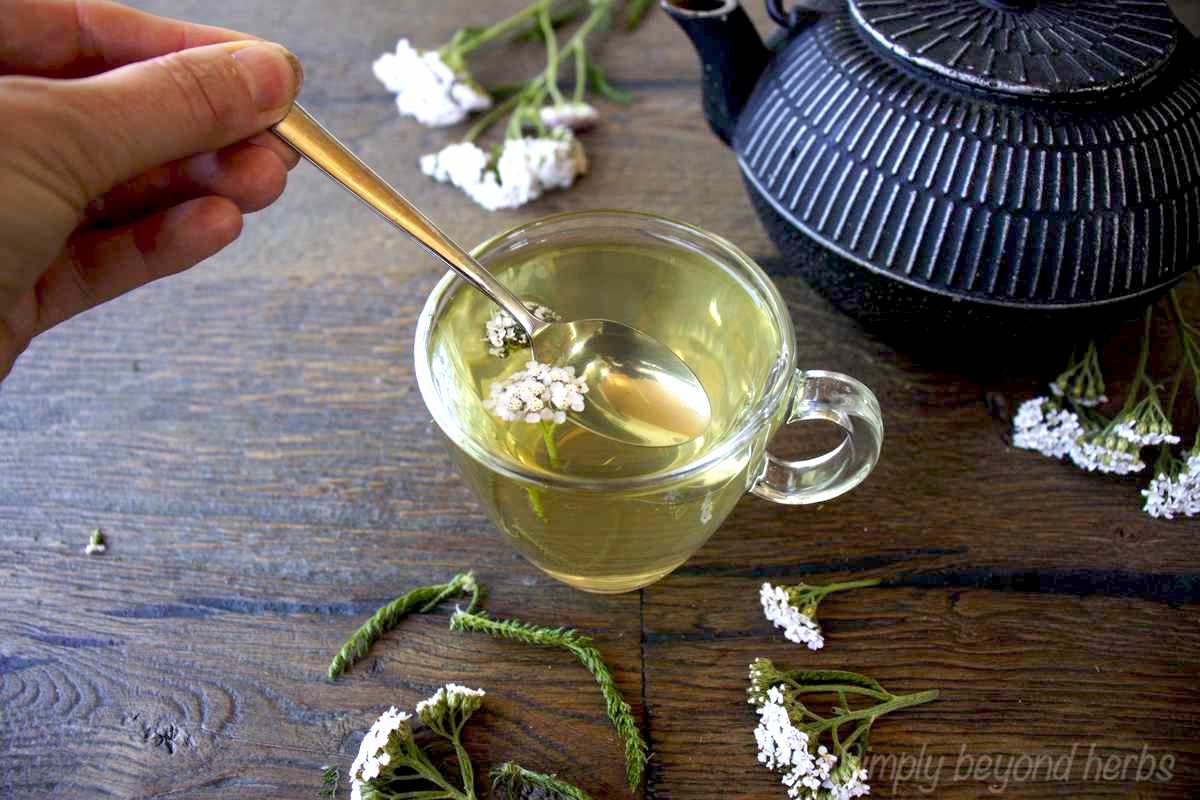
Healing and harmonizing Yarrow has a long history of uses from wound healing to stimulating digestion.
Yarrow tea offers a complete healing action. You can use it topically in a form of tea bath or internally to benefit from its anti-inflammatory and antimicrobial action. This herbal tisane can be used as a gargle for a sore throat or as a warm drink to promote circulation and help clean and detoxify the body.
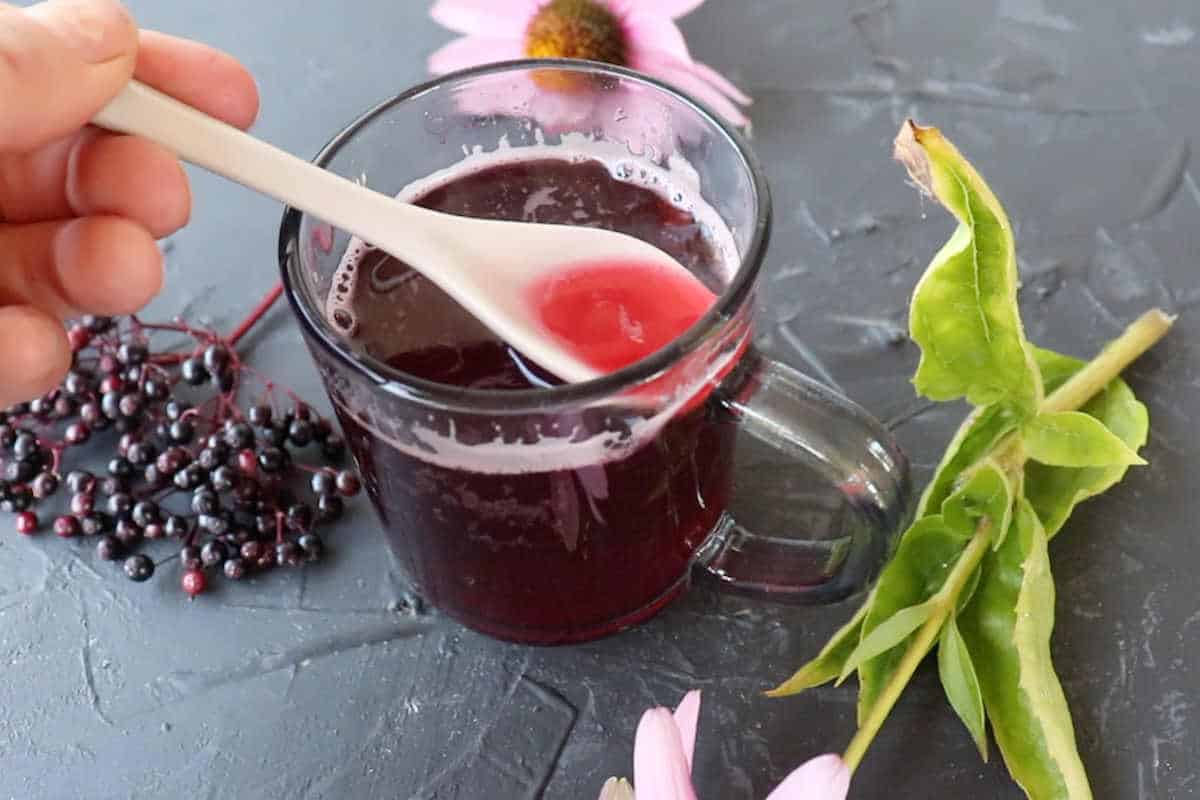
Elderflowers as well as Elderberries are considered the top antiviral herbs on the planet. While they have the same properties their consistency, color and taste differ. We reach for them when there are complaints of the flu with fever. While elderflowers are blooming at the end of spring their berries ripen in September. This gives you several month protection from flu and viruses. You can also combine the power of elderflowers and elderberries in one simple decoction that makes an intensively flavored and potent infusion.

This soothing and floral rose petal tea is an herbal beverage that is naturally uplifting with many health benefits. Discover all its variations and step-by-step instructions on how to make rose tea delicious.


Linden blooms with pleasantly fragrant creamy-yellow flowers that are the main component of linden flower teatea. However, you can also make it by steeping dried or fresh leaves of linden.
Decoction of linden flowers is a traditional means of sweating for colds and can help as a gargle. You can drink it as a pain reliever for stomach colic and it is also useful for kidney stones. Linden flower and linden leaf tea is very popular and is also a stimulant.
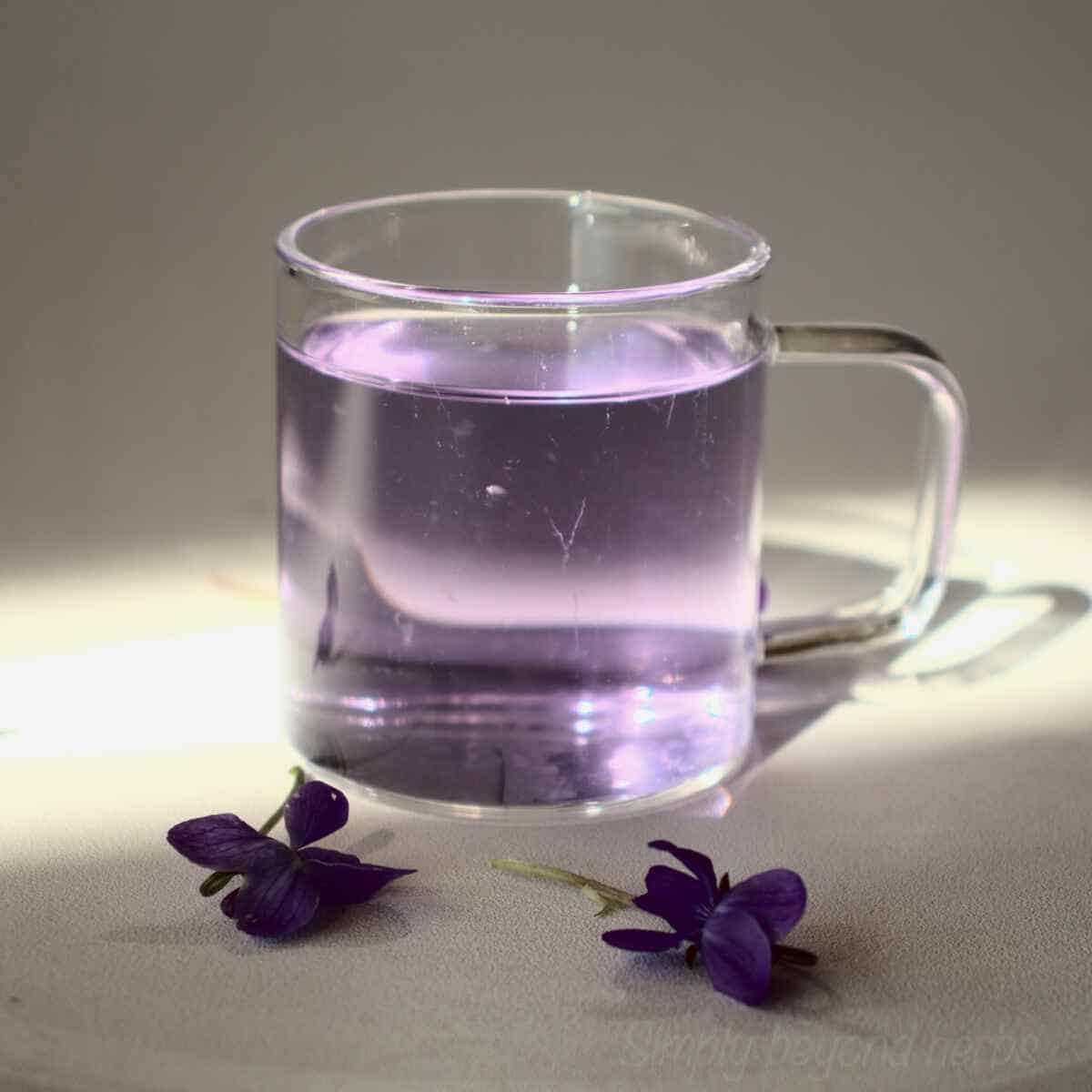
This medicinal violet tea, crafted from wild violets you forage, is one of the best ways to savor these spring flowers, unwind, and boost your health.
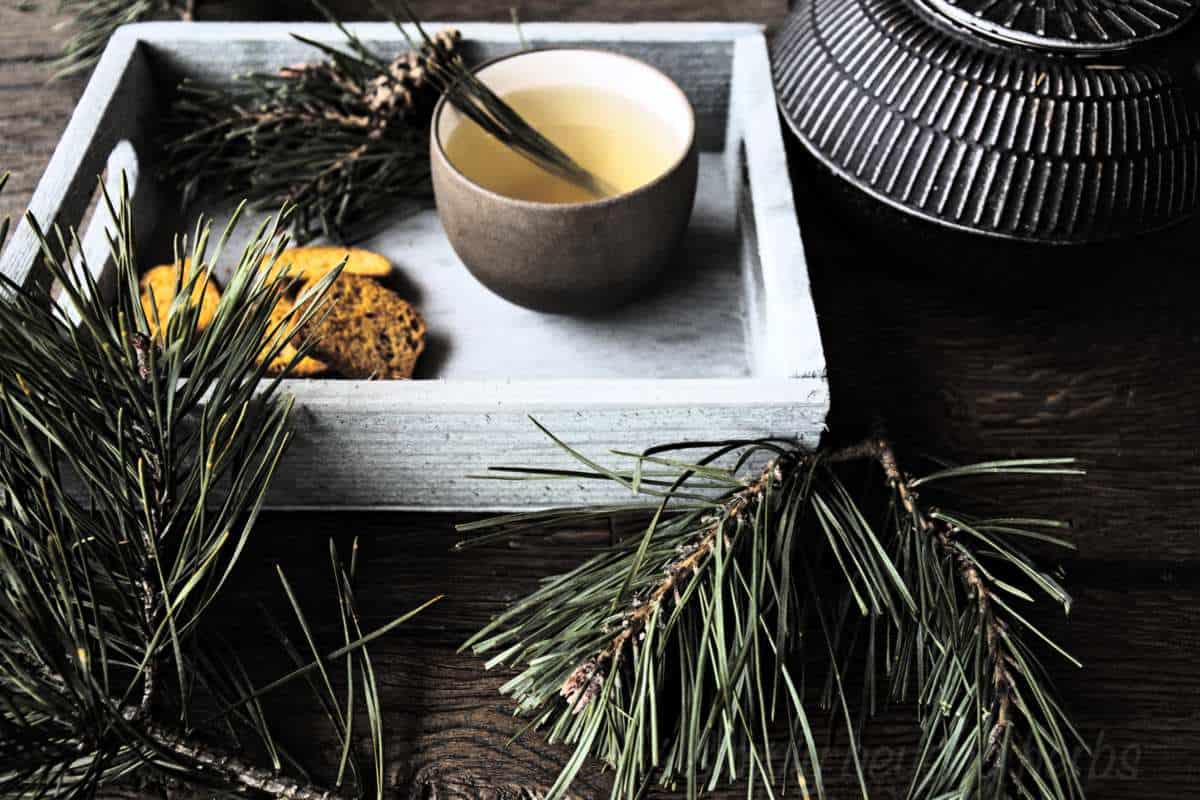
Pine tea has a long history of uses that dates back to the 16 century when scurvy was a common illness among sailors. Sailors survived thanks to decoction made of needles and bark from evergreen conifer later identified as "Annedda". This tree became known as the "tree of life" or "arbre de vie" because of its remarkable curative effects.
Pine tea is known for its high content of vitamin C and antioxidants can elevate the mood and contribute to wellbeing. Made of fresh pine needles, pine tea has a pleasant citrusy flavor contains antioxidants that help to limit stress.

Learn how to make dandelion tea with the season and its benefits. You can make this caffeine-free herbal infusion from the dandelion's flowers, leaves, or roots.

Here is how to make Juniper berry tea, a delicious herbal tea made of dried juniper berries that is packed with medicinal benefits.