

Soothing and comforting herbal thyme tea provides relief and aid for a sore throat.
Learn how to make thyme tea using fresh or dried thyme that you foraged, homegrown, or bought.
Once the herbs in my garden start to flourish, summer is here. I began with rosemary to make tea and rosemary oil. Following the mint, we enjoyed mint extract, lemonades, andhomemade sorbets.
I get excited every time I see another herb grow. Now my garden is full of thyme, and as much as I enjoy this culinary herb to season osso bucco,pizza. Another way to use thyme is to make this Homemade Jerk seasoning or Smoked Chicken Rub. However, this time of the year, I enjoy a cup of warm thyme tea.

What is thyme tea?
Thyme tea is an herbal infusion made by steeping thyme in boiling water. This herbal tea has been used in herbal medicine for centuries as a remedy for cough, sore throat, and respiratory discomfort. Thyme also has a long history in Mediterranean cultures, where it’s both a culinary staple and a medicinal herb.
A cup of thyme tea tastes gently earthy and slightly spicy. Thyme adds a fragrant, warming note that makes this tea especially comforting during cold and flu season. Unlike black or green tea, thyme tea contains no caffeine, making it ideal for evening use.
How to Identify and Harvest Thyme
Thyme is a low-growing herb with small oval leaves and woody stems. Fresh herbs like thyme thrive in sunny, dry conditions and are easy to grow or forage responsibly. When harvesting, place thyme sprigs gently into a basket and avoid uprooting the plant.
To dry thyme, place the thyme sprigs in bundles and hang them upside down, or lay them on a rack to air-dry. Once dry, remove the thyme leaves and store them in an airtight jar. Using dried thyme ensures you always have tea using this herb available.
If you already have thyme in your garden, you may not need help identifying the plant. Thyme (Thymus vulgaris) is easy to grow from seeds but even easier to propagate from cuttings.
To harvest wild thyme (Thymus serpyllum), you should look for dense clusters of purple-pink flowers that grow in summer. They delight your senses with intense fragrance. Lemon Thyme (Thymus Citriodorus)

Their egg-shaped leaves grow opposite in pairs, instead of growing tall and vertically. Wild thyme creeps along the ground, forming a sort of purple mat that is hard to overlook.
I always find wild thyme when walking in higher altitude locations, mountains, cliffs, or pastures. Thyme is a perennial plant that flowers from June to September. People often confuse thyme with oregano or sage.
Which Thyme Is Best for Tea?
Several types of thyme can be used to make thyme tea. Common thyme (Thymus vulgaris), lemon thyme, and wild thyme all work well. Thyme also pairs beautifully with rosemary or mint, but it’s best to start with a single herb to appreciate its flavor.
Lemon thyme produces a lighter, citrusy tea using just two ingredients. Wild thyme, often found in mountainous or pasture areas, is especially fragrant and prized in herbal medicine. No matter the variety, always use thyme that smells fresh and flavorful.

Fresh or Dried Thyme: Which Should You Use?
You can use both. Thyme infusion made of fresh herbs is milder than dried herbs. It is crucial that you like the fragrance of herbs, as it will affect the taste of your tea. The tea will not have an aroma and taste if it has no scent. You can store fresh thyme wrapped in a damp towel in the fridge and leftover use in this wild rice soup.
Using dried thyme is ideal in winter and allows you to keep this herbal tea as a pantry booster year-round.
How to dry fresh thyme herb?
There are several ways you can dry thymes. You may want to dry the whole spring of thyme. You are tying them in bundles and hanging them upside down in a place with fresh air for a few days. Alternatively, use or use a herb drying rack.
Another easy way is to spread them on a drying rag or parchment paper in a ventilated area and let them air dry for several days.
To speed up the process, you can use a dehydrator where you lay the thyme in a single layer for the air to circulate. Use a low temperature of 40 C (105 F) for 3-4 hours until dry completely.
Alternatively, you can use an oven, the lowest temperature, and a baking tray.
Tea bags may be an option, but I always ensure I have some dried thyme on hand in my pantry during the winter months. Drinking thyme infusion is a great way to relieve cold and flu symptoms, especially when coughing.

Herbal tea with thyme benefits
Besides its aromatic scent, thyme possesses many medicinal health benefits.
It may have antibacterial, antifungal, and antimicrobial properties.
Studies confirm antimicrobial activity against bacteria such as E. coli, salmonella, staphylococcus aureus, and candida Albicans yeast of thyme essential oil. However, whether that activity would be as intense when consuming thyme infusion has yet to be confirmed.

It’s packed with antioxidants.
Thyme contains antioxidants and polyphenols known as bioflavonoids that help defend against free radicals.
Thyme contains vitamins and minerals.
Besides antioxidants, thyme also contains vitamins A and C, copper, fiber, iron, and manganese—all of which are present, to some degree, in its tea form as well. Vitamins A and C can help fight infection and supports the immune system.
How to Make Thyme Tea Step by Step
This recipe requires two ingredients (thyme and water) and one cup of tea. You can use a mug, tea filter, or infuser; however, you can do it without it.
I use this ceramic tea infuser cup with a cover so the tea doesn’t get cold while steeping.
If you want to make a bigger batch, use a teapot or french press instead.

First step – Gather thyme.
Place one teaspoon of dried thyme or two teaspoons of fresh leaves into a glass jar. Or place the thyme sprigs (two for dried thyme and three for fresh sprigs) in one cup. If you have a tea ball infuser, you can also chop the thyme sprigs before steeping.
Second step – Boil water.
Boil the kettle and pour freshly boiled water into your cup with thyme leaves.
Third step – Steeping the tea.
Cover the mug and let it steep for 10-15 minutes. If you like strong tisane, leave it longer.
Fourth step – Straining.
Strain the herbal material with a tea strainer or just remove the filter
Fifth step
Add honey and lemon juice or other sweeteners
Enjoy!
Note: Serve warm or chilled. You can keep the strained tea refrigerated for up to 1 day.
Easy Thyme Tea Recipe Tips You’ll Love
For the best tea recipe, use one teaspoon of dried thyme or two teaspoons of fresh thyme leaves per cup of water. Chop the thyme lightly to release more flavor, but avoid crushing it too finely.
If you like to make a larger batch, use a teapot and simmer gently instead of a hard boil. Recipe tips like these help ensure your tea tastes balanced rather than bitter
Can Thyme Tea Help You Relax?
Yes — thyme tea contains compounds that may help calm the nervous system. Drinking a relaxing cup in the evening can help you unwind without caffeine. Many people enjoy thyme tea as part of a nighttime ritual.
This easy thyme tea supports both body and mind. Whether you sip it from a mug before bed or enjoy a hot tea break during a stressful day, it’s a gentle way to relax.

How to Make Thyme Tea Taste Better With Honey or Ginger
Thyme tea tastes lovely on its own, but you can pair it with honey for sweetness and additional soothing effects. Ginger adds gentle spice and warmth, while lemon brightens the flavor.
Add honey after steeping to preserve its beneficial compounds. A slice of lemon or fresh ginger transforms this herbal tea into a cozy, flavorful drink perfect for cold evenings.
Can You Enjoy Thyme Tea Hot or Cold?
You can enjoy Thyme tea hot or cold. Serve it hot during flu season or chill it for a refreshing summer drink. To make a larger batch for iced tea, steep strongly, then chill.
Cold thyme tea pairs well with mint or cucumber and makes a fragrant herbal option when you want something hydrating but caffeine-free.
To make 32 ounces (1 litter) of cold brew thyme infusion:
- Place thyme (two tablespoons of dried) into a tea infuser or a cold brew pitcher.
- Pour in chilled water. If desired, add berries, cucumber slices, or mint.
- Allow it to steep on the counter overnight.
- Take out the thyme the next day and store it in the fridge for two to three days.
Add fresh lemon juice or honey when serving.
Love This Recipe?
This thyme tea recipe is simple, comforting, and deeply rooted in traditional herbal medicine. Whether you’re using fresh herbs from your garden or dried thyme from your pantry, learning how to make thyme tea is a skill you’ll return to again and again.
If you love this recipe, try pairing thyme with rosemary or mint for variation — thyme also blends beautifully with other Mediterranean herbs.

How to make thyme tea

Soothing and comforting herbal thyme tea provides relief and aid for sore throat. Learn how to make thyme tea using fresh or dried thyme that you foraged, homegrown, or bought.
Ingredients
from fresh or dried thyme
- teaspoon of dried thyme or two teaspoons of fresh leaves
- 1 cup of water
- honey or sugar (optional) to sweeten
Thyme cold brew
- 2 tablespoons of dried thyme
- 4 cup of water
- cucumber slices
- berries
- honey or maple syrup to sweeten
- mint or thyme to decorate
Instructions
from fresh or dried thyme leaves
- Place one teaspoon of dried thyme or two teaspoons of fresh leaves into a glass jar. Or place the thyme sprigs (two for dried thyme and three for fresh sprigs) in one cup of tea. If you have a tea ball infuser, you can also chop the thyme sprigs before steeping.
- Boil the kettle and pour freshly boiled water into your cup with thyme leaves.
- Cover the mug and let it steep for 10-15 minutes. If you like strong tisane, leave it longer.
- Strain the herbal material with a tea strainer or just remove the filter
- Add honey and lemon juice or other sweeteners
Thyme cold brew
- Place thyme (two tablespoons of dried) into a tea infuser or a cold brew pitcher.
- Pour in chilled water. If desired, add berries, cucumber slices, or mint.
- Allow it to steep on the counter overnight.
- Take out the thyme the next day and store it in the fridge for two to three days.
- Add fresh lemon juice or honey when serving.
Notes
Serve warm or chilled. You can keep the strained tea refrigerated for up to 1 day.
Recommended Products
As an Amazon Associate and member of other affiliate programs, I earn from qualifying purchases.
-
 Eclipse Glass Teapot
 -
Mesh Tea Infuser with Handle
-
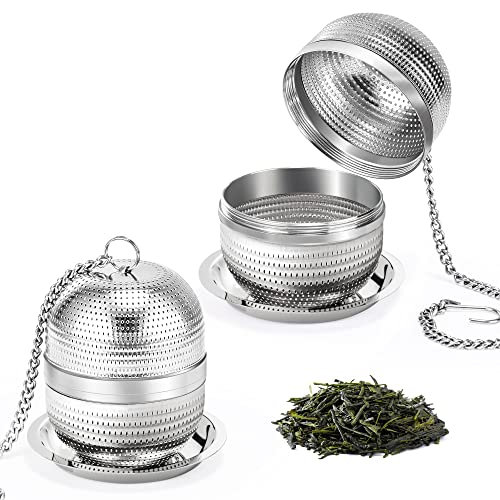
Yoassi 2 Pack Tea Infusers for Loose Tea, Extra Fine Mesh 18/8 Stainless Steel Tea Strainers, Loose Leaf Tea Steeper Tea Ball Tea Diffuser Tea Holder with Extended Chain Hook and Drip Tray
-
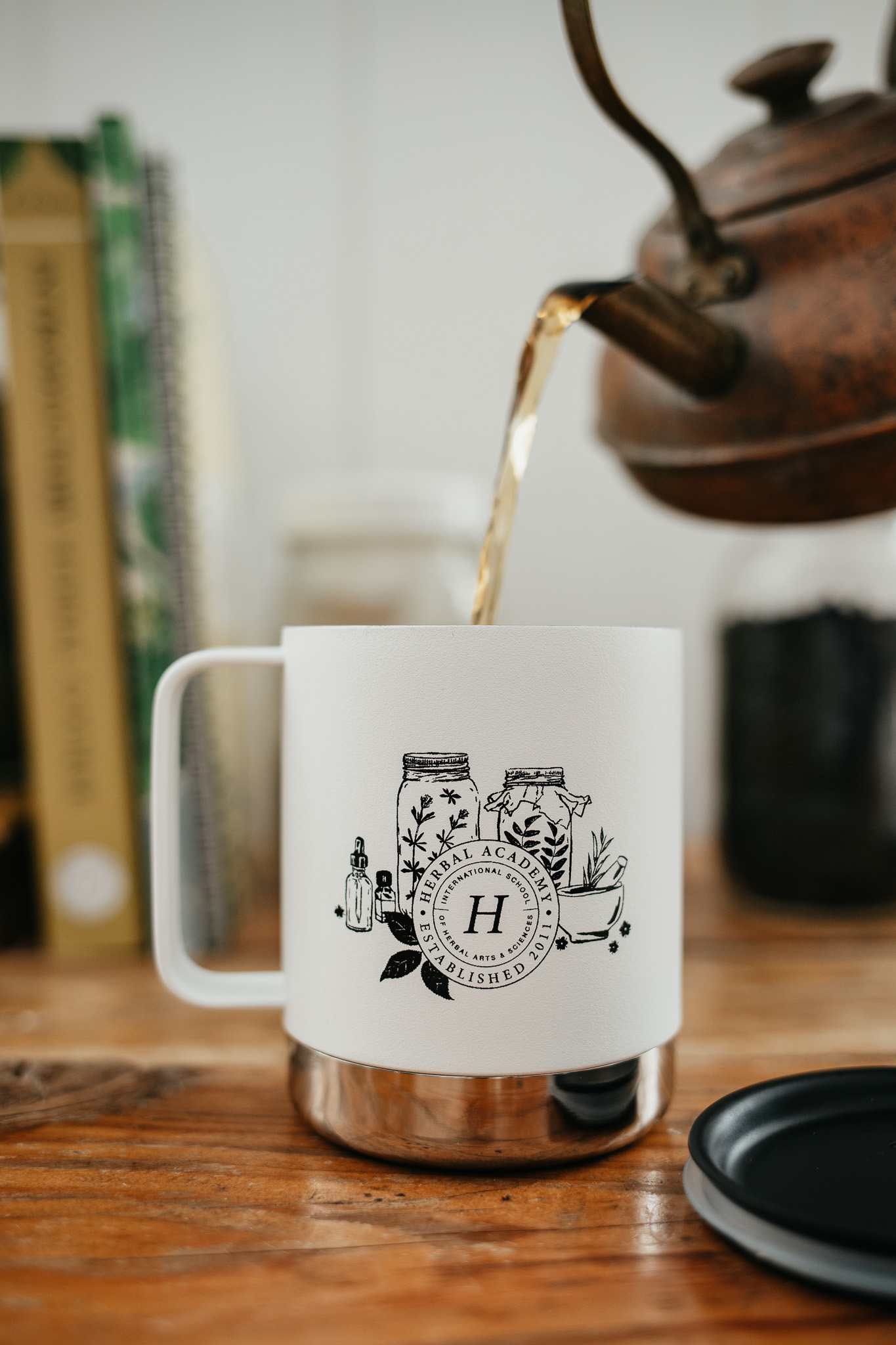
Apothecary Travel Mug
-
Tea Pots & Carafes
-
900ml Cast Iron Tea Kettle,SECHUDO Teapot Coated with Enameled Interior for Loose Leaf, Small Cast Iron Teapot with Strainer for Stovetop Safe, Green Iron Kettle(30.4oz)




Nutrition Information:
Yield:
1Serving Size:
1Amount Per Serving: Calories: 89Total Fat: 0gSaturated Fat: 0gTrans Fat: 0gUnsaturated Fat: 0gCholesterol: 0mgSodium: 14mgCarbohydrates: 24gFiber: 2gSugar: 21gProtein: 1g




This was such a delicious tea! Perfect afternoon pick me up when I was starting to slump.
Oh my gosh! This was such a perfect tea for me! I had a long day yesterday and a bad headache. This tea was soothing and relaxing. I made it fresh thyme in it which made it so good. It’s now my go to tea for any day (good or bad!)
WOWOWOW this was SO tasty with some honey and lemon! I had no idea thyme tea would be this tasty and easy! Thank you!
I made this in a cold brew and it was so refreshing! I added a hint of lime and the flavor combo was amazing.