

Learn how to make a fragrant and comforting cup of Bay Leaf Tea and its benefits for digestion and relaxation.
Making a hot cup of tea has become a daily habit that brings me peace and comfort. When I combine it with my favorite book, it helps me relax after a long day. Sometimes, I take my dog for a walk and find herbs along the way, like lilac, elderflowers, yarrow, or dandelions. I collect them and use them to make my tea. Other times, I use spices from my pantry, such as saffron or cocoa beans, or herbs from my garden, like lemon balm or roses.
Today, I want to share my experience using bay leaves in tea. I usually use them when cooking soups or sauces, but I decided to explore the potential when reading about the benefits of bay leaves.

What is Bay Leaf Tea?
Bay leaf tea is a herbal infusion made by steeping the fresh or dried leaves of the bay laurel tree (Laurus nobilis) in hot water. The steeping enables relief of a distinct aroma, flavor, and health benefits of leaves in tea. The bay leaf tea is tasty on its own or with a slice of lemon or splash of milk. However, some prefer to blend it with spices like cinnamon or ginger.
You can enjoy the benefits of bay leaf tea using loose leaves or tea bags.
Want to try more herbal teas? Start with these blends


Ingredients To Make Laurel Leaf Tea
All you need are bay leaves and water.
Bay leaves:
Use fresh or dried bay leaves. You can buy dried bay leaves in most grocery stores. I found the fresh herb in our garden center. To make a cup of hot tea, use 2 dried or 4 fresh leaves.
What are bay leaves?
Bay leaves are aromatic leaves from the bay leaf tree, scientifically known as Laurus nobilis. It is a small evergreen tree from the Mediterian region. Don’t mistake them for California Bay (Umbellularia californica), another type of bay leaf. Make sure to know the tree well before going foraging for the leaves.

Bay leaves are commonly used in cooking soups, stews, marinates, or sauces for their distinct flavor and aroma. But they are tough and have a sharp texture so after infusing their flavors during cooking, remove them before serving.
To get their full benefits, use a food processor or coffee grinder to make ground bay leaves.
Fresh or dried bay leaves have a long shelf life making them perfect for drying and long-term storage.
But few people know they also make lovely tea with medicinal benefits.

Bay leaf tea benefits
It has many medicinal properties, although more scientific studies are needed to confirm them.
Digestive support:
This tea possesses digestive properties that may help soothe an upset stomach, relieve indigestion, and reduce bloating. To aid in digestion, consume it after meals.
Support Immunity
Bay leaf is a good source of vitamin A, C and vitamin B6, all of which are known to support a healthy immune system.
Anti-inflammatory properties
Bay leaves contain eugenol and linalool that have been studied for their potential anti-inflammatory effects. Therefore, drinking bay leaves help reduce inflammation in the body.
Bay leaf tea helps to improve sleep:
Bay leaves can help with anxiety and tension and help to promote sleep. So maybe a good choice for those looking for a natural solution, try drinking a cup of bay leaf tea before bedtime.
Antioxidant activity:
Bay leaf tea is rich in antioxidants, like cinnamon tea, which helps combat oxidative stress and neutralize free radicals in the body. This tea may also protect against chronic diseases.

Expectorant Properties:
Bay leaves also contain volatile compounds, such as eucalyptol, which help relieve respiratory issues like coughs, congestion, and asthma symptoms.
Blood sugar management:
Some studies suggest that drinking bay leaves can also help manage blood sugar levels and potentially reduces type 2 diabetes risk factors. (1) but more research is needed to understand its full effects.
Reduce high cholesterol:
Bay leaf tea is a great way to maintain your daily dose of potassium, an important nutrient for heart health.
Bay leaf tea can help reduce blood pressure, improve blood circulation, and decrease cholesterol levels, thus aiding in weight management.
How to Make Bay Leaf Tea
First step: Gather Bay Leaves.
You can use dried or fresh bay leaves. Bruise the leaves before adding them to infuse to relieve their flavors. If you use fresh bay leaves, use them two times more than dried ones.
Second step: Boil the water.
In a small pot, bring 2 cups of water to a boil. Add bay leaves. Use approximately two bay leaves per cup of water.

Third step: Simmer and steep.
Add the bay leaves to the simmering water and steep for at least 5 minutes. This allows the flavors and aromas of the bay leaves to infuse into the water. Cover the pot to retain the essential oils.

Fourth step: Remove from heat and strain.
After steeping, remove the pot from the heat and strain the tea to remove the bay leaves. You can use a fine-mesh sieve or a tea strainer for this step.
Fifth step: Serve and enjoy.
Pour the hot bay leaf tea into cups or mugs. You can enjoy it as is or add sweeteners like honey, sugar, or stevia to taste. Some people also like squeezing a fresh lemon for flavor.

Variations of Bay Leaf Tea at Home.
Add a few slices of lemon, lime, or orange to the boiling water and the bay leaves. This will infuse the bay leaf tea recipe with a refreshing citrusy note.
Enhance the herbal infusion by adding a sprig of fresh mint leaves and a pinch of dried chamomile flowers.
To create a spiced version, add cinnamon sticks, whole cloves, or cardamom pods. Simmer them with bay leaves to infuse the tea with warm and aromatic flavors.
Add a teaspoon of honey and a few slices of fresh ginger to the tea while it’s steeping. This will add a hint of sweetness and a warm, spicy ginger taste.
Add dried rose petals or lavender buds to enhance the tea with delicate floral notes.

How long do you boil bay leaves?
When making bay leaf tea, do not boil the leaves. Instead, add the bay leaves to the simmering water and let them steep in hot water for about 5 minutes to infuse their flavors and aromas into the tea.
If you prefer a stronger flavor, you can simmer the bay leaves for a slightly longer duration, but be cautious not to exceed 10 minutes, as it may lead to a bitter taste.
Are fresh bay leaves better than dried ones?
You can use fresh and dried bay leaves in tea-making, but their flavors and uses differ.
Fresh bay leaves have a more vibrant color and flavor. However, they need longer cooking time to release their flavors, so you better use them in stews or slow-cooked dishes.
On the other hand, dried bay leaves have a more intense and concentrated taste, so use them in dishes that require shorter cooking times, such as soups, sauces, and marinades.
You can use fresh and dried bay leaves when making tea. Dried fragrant leaves have a stronger flavor, while fresh bay leaves are fresher and more aromatic .

What Does Bay Leaf Herbal Tea Taste Like?
Bay leaves make a distinct and unique flavor of the tea. It has an herbal and slightly floral taste with subtle hints of spice. The flavor is pleasant, mildly bitter, with underlying earthy and woody notes. Some people detect a subtle sweetness.
Is drinking bay leaf tea safe?
While it is generally safe to drink for most people, there are a few potential side effects of bay leaf tea one should take a closer look.
It may cause digestive discomfort if consumed in excess. Also, people with allergies or people taking certain medications should consult a healthcare professional before consuming it regularly.
Does Bay Leaf Tea Have Caffeine?
Like any other herbal tea, bay leaf tea does not contain caffeine. This makes it suitable for those looking for a caffeine-free beverage alternative.
What is West Indian Bay Leaf Tea?
West Indian bay leaf tea is an herbal infusion made from the leaves of the Pimenta racemosa, a native to the Caribbean region. This tree is known for its aromatic leaves, which are used in culinary and medicinal applications.
It has a rich, spicy, and clove-like taste with hints of sweetness. The aroma is strong and fragrant, often warm and reminiscent of the Caribbean spices.
In addition to its culinary uses, West Indian bay leaf tea has various health benefits. For example, it aids digestion, soothes upset stomachs, and relieves respiratory issues.

How to Make Bay Leaf Tea

Learn how to make a fragrant and comforting cup of Bay Leaf Tea and its benefits for digestion and relaxation.
Ingredients
- 2 dried or 4 fresh bay leaves
- 1 cup water
- Raw honey (optional)
Instructions
- You can use dried or fresh bay leaves. Bruise the leaves before adding them to infuse to relieve their flavors. If you use fresh bay leaves, use them two times more than dried ones.
- In a small pot, bring 2 cups of water to a boil. Add bay leaves. Use approximately two bay leaves per cup of water.
- Add the bay leaves to the simmering water and steep for at least 5 minutes. This allows the flavors and aromas of the bay leaves to infuse into the water. Cover the pot to retain the essential oils.
- After steeping, remove the pot from the heat and strain the tea to remove the bay leaves. You can use a fine-mesh sieve or a tea strainer for this step.
- Pour the hot bay leaf tea into cups or mugs. You can enjoy it as is or add sweeteners like honey, sugar, or stevia to taste. Some people also like squeezing a fresh lemon for flavor.
Recommended Products
As an Amazon Associate and member of other affiliate programs, I earn from qualifying purchases.
-
 Eclipse Glass Teapot
 -
Mesh Tea Infuser with Handle
-
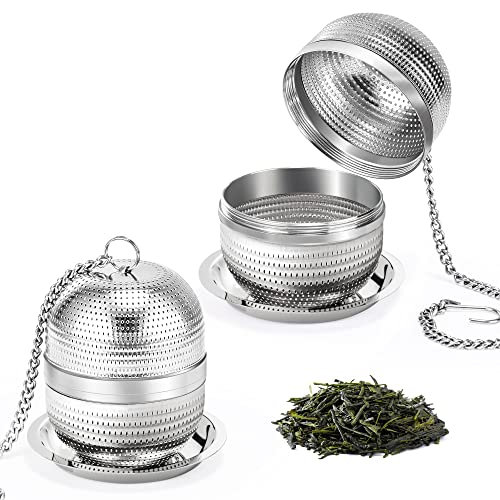
Yoassi 2 Pack Tea Infusers for Loose Tea, Extra Fine Mesh 18/8 Stainless Steel Tea Strainers, Loose Leaf Tea Steeper Tea Ball Tea Diffuser Tea Holder with Extended Chain Hook and Drip Tray
-
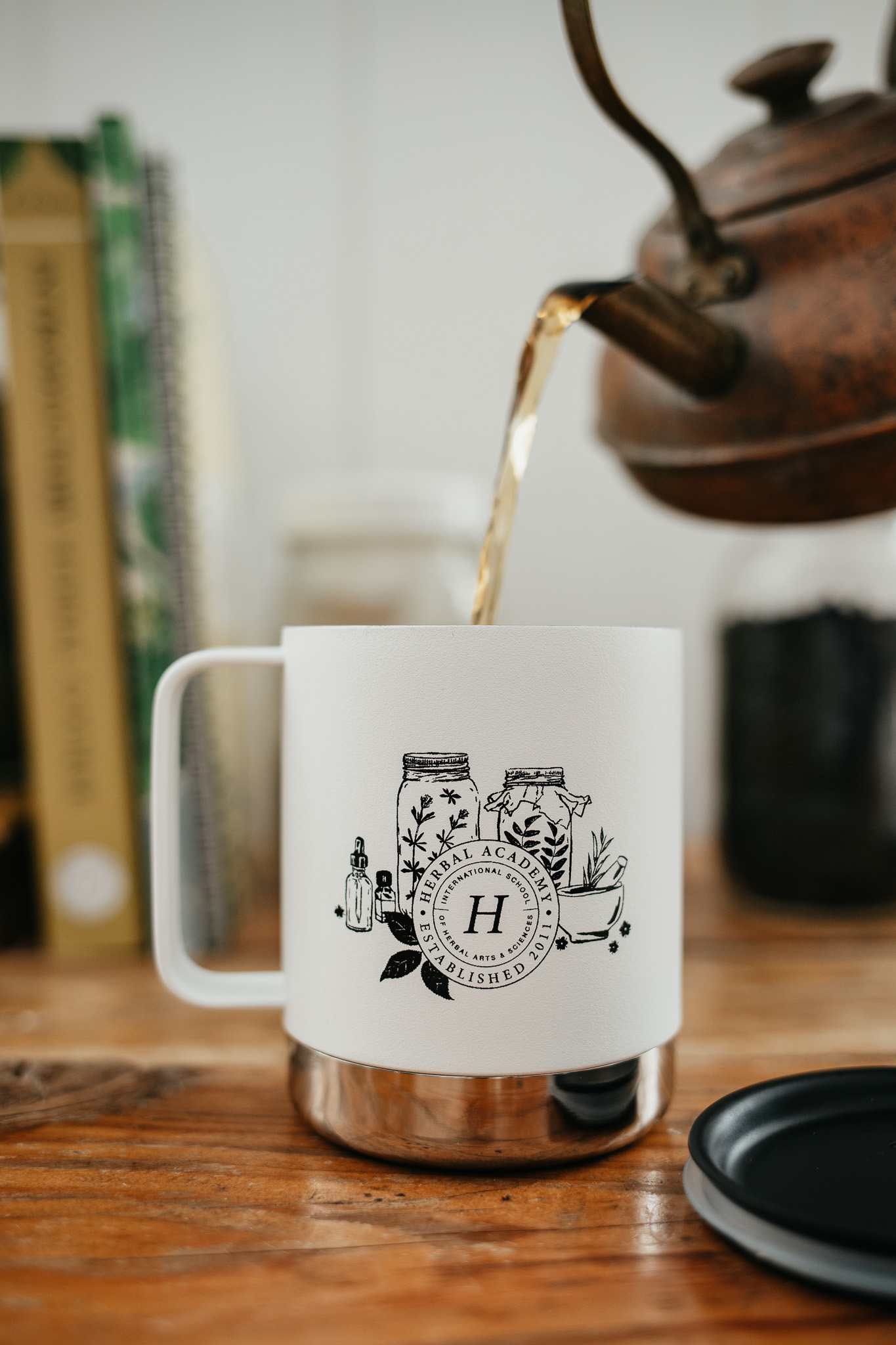
Apothecary Travel Mug
-
Tea Pots & Carafes
-
900ml Cast Iron Tea Kettle,SECHUDO Teapot Coated with Enameled Interior for Loose Leaf, Small Cast Iron Teapot with Strainer for Stovetop Safe, Green Iron Kettle(30.4oz)




Nutrition Information:
Yield:
1Serving Size:
1Amount Per Serving: Calories: 66Total Fat: 0gSaturated Fat: 0gTrans Fat: 0gUnsaturated Fat: 0gCholesterol: 0mgSodium: 10mgCarbohydrates: 18gFiber: 0gSugar: 17gProtein: 0g
Browse our full collection of herbal teas here:
Herbal Tea Recipes Collection
Discover soothing, healing, and aromatic herbal teas made from fresh or dried herbs. From calming chamomile and lemon balm to immune-boosting elderberry tea, these recipes are easy, healthy, and delicious. Perfect for cozy evenings or natural remedies.
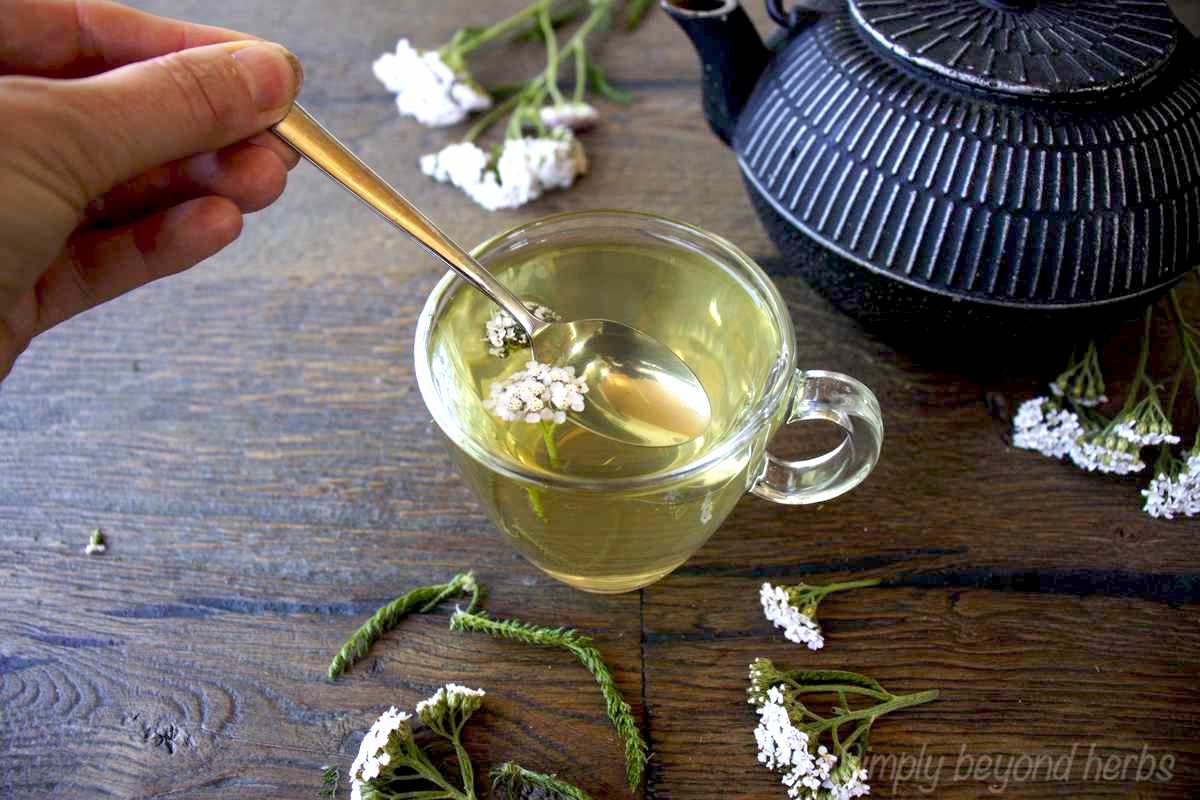
Healing and harmonizing Yarrow has a long history of uses from wound healing to stimulating digestion.
Yarrow tea offers a complete healing action. You can use it topically in a form of tea bath or internally to benefit from its anti-inflammatory and antimicrobial action. This herbal tisane can be used as a gargle for a sore throat or as a warm drink to promote circulation and help clean and detoxify the body.
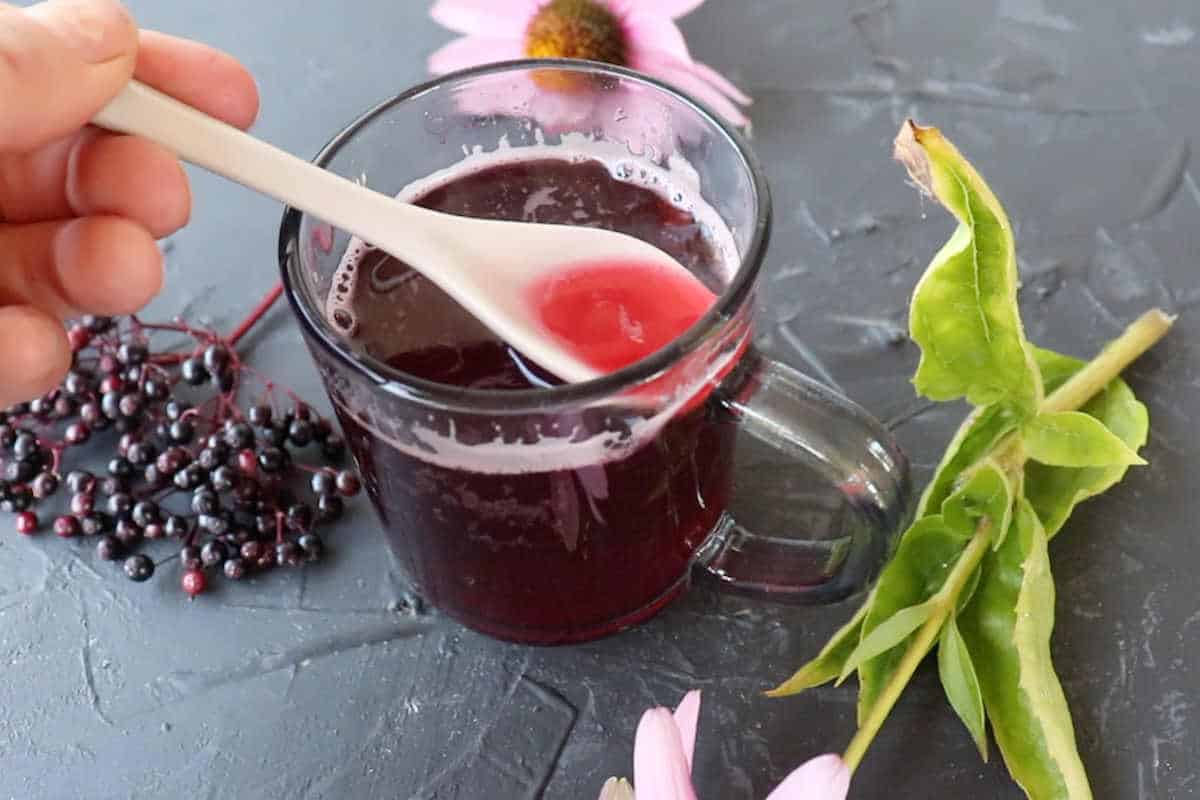
Elderflowers as well as Elderberries are considered the top antiviral herbs on the planet. While they have the same properties their consistency, color and taste differ. We reach for them when there are complaints of the flu with fever. While elderflowers are blooming at the end of spring their berries ripen in September. This gives you several month protection from flu and viruses. You can also combine the power of elderflowers and elderberries in one simple decoction that makes an intensively flavored and potent infusion.

This soothing and floral rose petal tea is an herbal beverage that is naturally uplifting with many health benefits. Discover all its variations and step-by-step instructions on how to make rose tea delicious.


Linden blooms with pleasantly fragrant creamy-yellow flowers that are the main component of linden flower teatea. However, you can also make it by steeping dried or fresh leaves of linden.
Decoction of linden flowers is a traditional means of sweating for colds and can help as a gargle. You can drink it as a pain reliever for stomach colic and it is also useful for kidney stones. Linden flower and linden leaf tea is very popular and is also a stimulant.
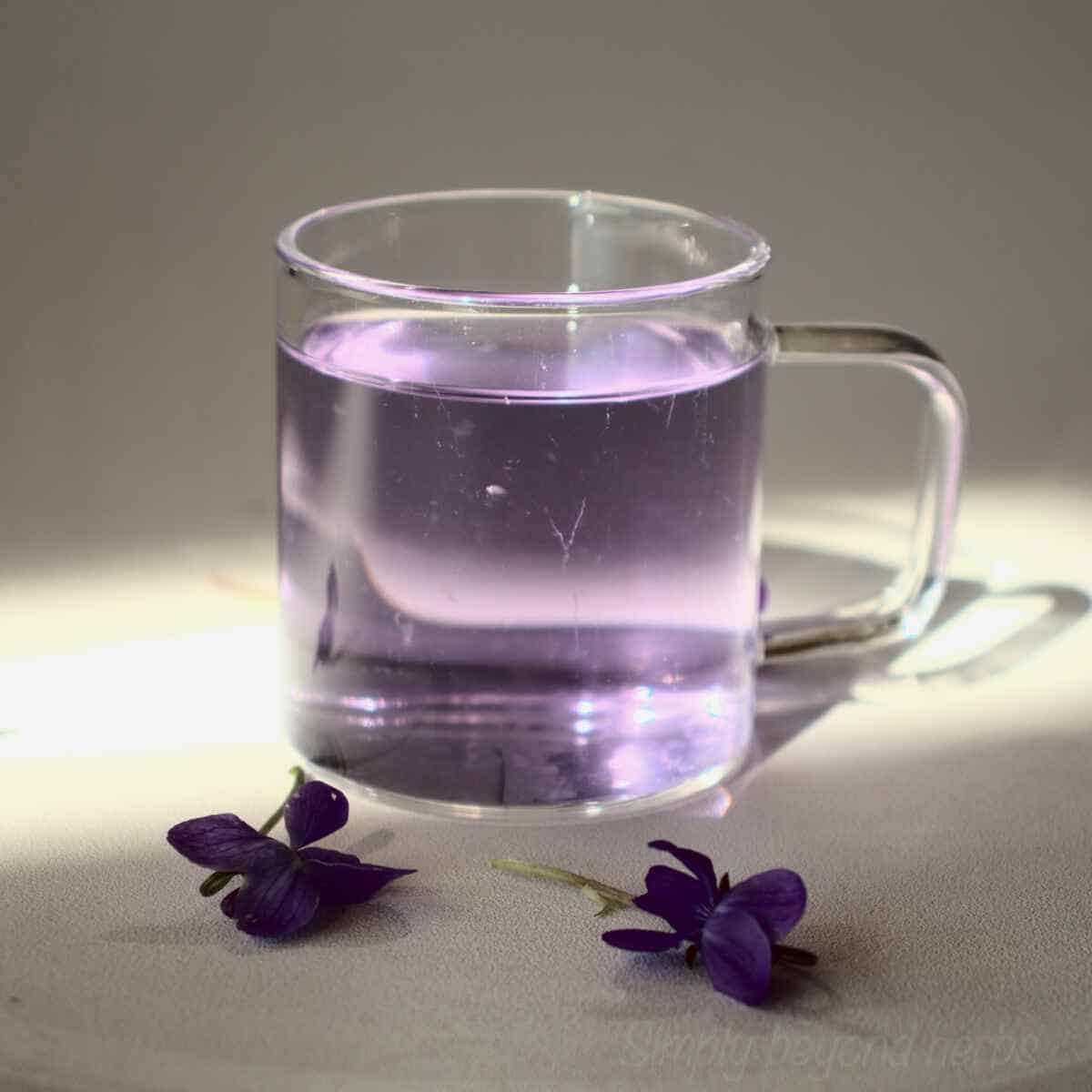
This medicinal violet tea, crafted from wild violets you forage, is one of the best ways to savor these spring flowers, unwind, and boost your health.
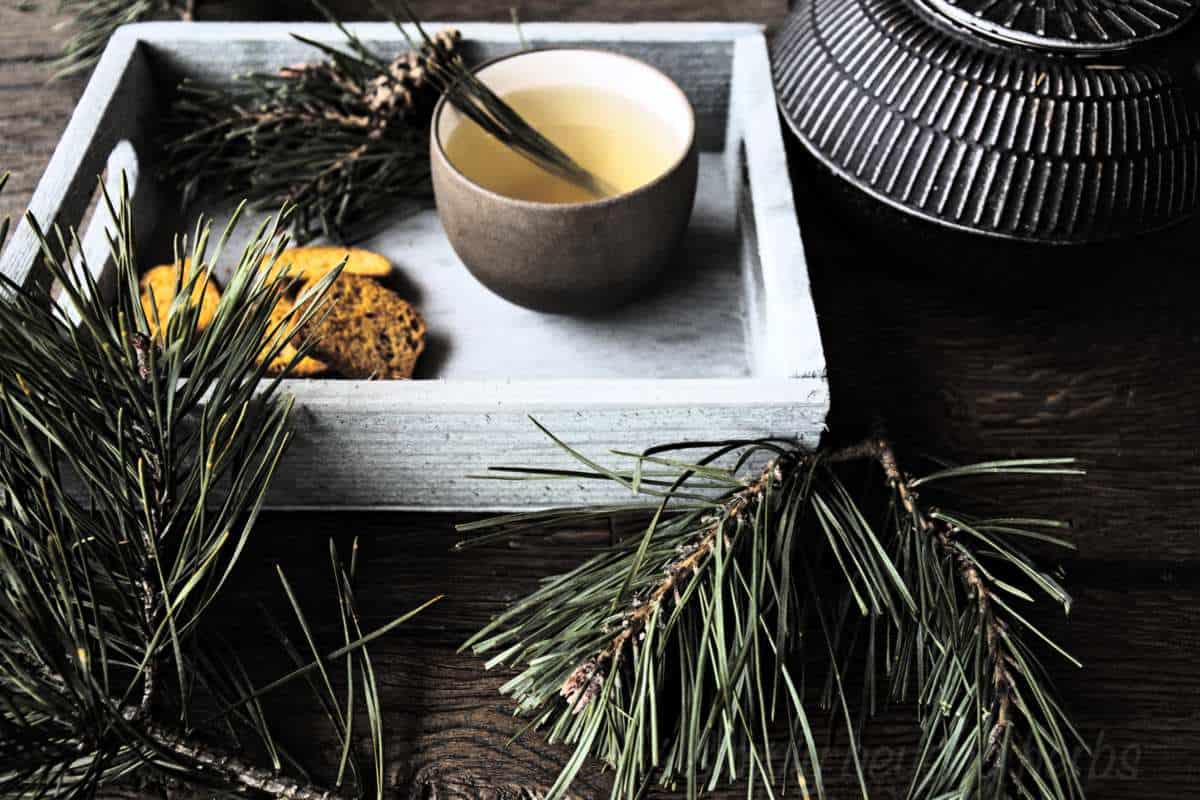
Pine tea has a long history of uses that dates back to the 16 century when scurvy was a common illness among sailors. Sailors survived thanks to decoction made of needles and bark from evergreen conifer later identified as "Annedda". This tree became known as the "tree of life" or "arbre de vie" because of its remarkable curative effects.
Pine tea is known for its high content of vitamin C and antioxidants can elevate the mood and contribute to wellbeing. Made of fresh pine needles, pine tea has a pleasant citrusy flavor contains antioxidants that help to limit stress.

Learn how to make dandelion tea with the season and its benefits. You can make this caffeine-free herbal infusion from the dandelion's flowers, leaves, or roots.

Here is how to make Juniper berry tea, a delicious herbal tea made of dried juniper berries that is packed with medicinal benefits.




I love the way the scent of the bay leaves fills up my entire kitchen while they steep in hot water—it’s so comforting!
I recently explored herbal teas, and I must say, this recipe for Bay Leaf Tea was a delightful find. The instructions were easy to follow, allowing me to create a cup of tea with a unique twist by incorporating bay leaves. The moment I took my first sip, I felt a sense of relaxation wash over me, melting away the fatigue of the day. I will definitely make a cup of tea again!
I’ve been using bay leaves in stews my entire adult life and it never occurred to me to make tea! Wow, it’s my new favorite. I tried boiling with citrus as well, which was lovely.
Yes, I know:)
Oh My Goodness! Thank you for another way to use my Bay leaves – my Bay is enormous and I never considered using it for tea – my usual go to is Lemon Balm which is taking over the garden!
I like hibiscus, lemon balm, and bay leaf. Sometimes add Tulsi too. Cold brew! Awesomeness
Hi Barb,
That sounds great! Hibiscus, lemon balm, and bay leaf with a touch of Tulsi in cold brew sounds amazing!
I LOVE bay leaves- I actually have a couple of bay trees in my backyard, so I use them generously in just about everything I cook! I drink bay leaf tea every night, I add a thin slice of ginger when steeping for the flavor and antioxidant benefits of ginger as well as bay. Add a spoonful of local raw honey- wonderful evening beverage!! My parents are from Italy, and my mom said her mother used to steep bay leaves for tummy aches- (so a remedy used over 100 years ago!!)
Bay leaf is anti viral anti bacterial anti inflammatory anti fungal and anti oxidant…It boosters the immune system. I drink it at the onset of any cold or flu and have not had either since 2018. I also used it to boost my immune system when I developed shingles (anti viral,anti inflammatory) Blessings
Hi Melanie,
thank you for sharing! Bay leaves do have natural antiviral, antibacterial and anti-inflammatory properties, and I’m glad they’ve helped you so much.