

Elderberry powder is a handy way to preserve elderberries and add their rich purple colour and fruity flavour to recipes. Learn how to make elderberry powder, store it, and use it in your kitchen.
On my daily dog walks, I pass at least six elderberry bushes. Earlier in the season, I used their flowers to make probiotic yogurt, cordial, and ice cream.
Now, with the branches full of dark purple berries, I’m looking for ways to save some for the colder months.
I make Elderberry syrup, tincture, fire cider, and jam every year, but this time I wanted to try something different.
After making beetroot powder, rosehip, and nettle powder I discovered how useful homemade powders can be. They take up little space and are easy to keep on hand. Elderberry powder seemed like the perfect next project, with proper cooking an essential part of preparing it for food.

What Is Elderberry Powder?
Elderberry powder is made from dried elderberries ground into a fine powder. It has a deep purple to reddish-brown colour and a fruity, slightly tart flavour. Turning elderberries into powder is a convenient way to preserve your harvest, save storage space, and keep them on hand for recipes throughout the year. The berries must be completely dry before grinding, and proper cooking is essential before eating- drying alone does not replace cooking.
Are elderberries toxic?
When I first made elderberry powder, I wanted to add it to smoothies, yogurt, and morning porridge. That made me wonder whether drying the berries was enough or whether they needed cooking first.
I looked into the research because I wanted to preserve as much of their nutritional value as possible while understanding the risks. The findings are more nuanced than simply saying that all elderberries are highly toxic.
One study on American elderberries found low levels of cyanogenic compounds in the samples tested. The researchers considered those levels unlikely to pose a threat to consumers, with the highest cyanogenic potential found in stems and green berries. However, the study did not test homemade elderberry powder or establish the safety of uncooked European elderberries.
I originally used small amounts of uncooked powder, but that personal experience does not prove it is safe for everyone. NCCIH warns that raw elderberries contain cyanide-producing compounds that can cause nausea, vomiting, and diarrhea, and advises that cooking eliminates the toxin.
For that reason, I now recommend removing all stems, leaves, and unripe berries and making sure the elderberries are properly cooked before eating them. Drying alone should not be treated as a substitute for cooking.

Benefits of Elderberry Powder
Making elderberry powder is a convenient way to preserve your harvest and keep it on hand throughout the year.
Elderberries contain fibre and polyphenols, including anthocyanins. These plant compounds have antioxidant properties, as discussed in this review of elderberry’s composition and potential health benefits.

How to make elderberry powder
First Step: Pick and Sort the Elderberries
Using scissors, collect fully ripe elderberry heads from a correctly identified edible elderberry plant. Remove the berries from their stems, discarding all leaves, stems, unripe berries, and damaged fruit.

Some people use a comb to speed up the process. My mother-in-law picked them gently by hand, as you can see in the photo below. This makes it easier to remove green or pale berries and any debris.
Process the berries soon after picking, or keep them in the refrigerator until you are ready.

Second step: Wash and Drain
Rinse the elderberries thoroughly under running water. Leave them in a strainer to drain, then gently pat away excess water with a clean towel.
Third Step: Dry the Elderberries
You can dry elderberries in a dehydrator, an oven, or outdoors when conditions are suitable. Spread them in a single layer and leave enough space for air to circulate.
Drying time varies with the equipment, berry size, and humidity. For powder, the berries should be completely dry and crisp, rather than soft and chewy like raisins. Let a few berries cool before checking their texture.

Using a Dehydrator
Arrange the berries on your dehydrator trays. Use food-safe mesh liners if the berries could fall through the openings.
Set the temperature to 135°F (57°C), or follow your manufacturer’s instructions for berries. Begin checking after about 6–8 hours, but allow longer if needed. Continue drying until the cooled berries are crisp and suitable for grinding.

Using an Oven
Spread the berries evenly on a baking tray lined with parchment paper. Use your oven’s dehydration setting, or approximately 140°F (60°C) if it can maintain that temperature.
Follow the manufacturer’s guidance for ventilation when drying food. Check regularly and turn the berries occasionally to help them dry evenly. Drying takes several hours, rather than minutes.
Let the berries cool completely before grinding.
Using the Sun-Drying Method
I originally dried my elderberries in the sun. However, this method needs consistently hot, dry weather with low humidity and good airflow.
Spread the berries in a single layer on a food-safe drying screen. Cover them with another screen to protect against insects and birds, and bring them indoors overnight.
Drying may take several days. If the weather becomes cool or damp, finish the berries in a dehydrator. Discard any berries that develop mould.
Fourth Step: Grind the Berries
Once the berries are completely dry and cool, grind them in small batches using a spice grinder or another grinder suitable for dried berries.
If they form a sticky mixture instead of powder, they need more drying.
Fifth Step: Store the Powder
Transfer the elderberry powder to a clean, completely dry airtight container. Label it with the date and “Cook before eating.”
Store it in a cool, dark, dry place, and always use a dry spoon when taking some out.

How Long Does Elderberry Powder Last?
The shelf life of homemade elderberry powder depends on how thoroughly the berries are dried and how the powder is stored. Keep it in a clean, dry, airtight container in a cool, dark place, away from sunlight and moisture.
Make small batches and use a dry spoon each time. Discard the powder if you notice mould, condensation, or an unusual smell. Remember that it still needs cooking before eating.

15 Ways to Use Elderberry Powder
Homemade elderberry powder needs cooking with liquid before eating. Drying, pouring hot water over it, or soaking it in alcohol or vinegar does not replace cooking.
The powder contains finely ground skins and seeds and absorbs liquid, so it may change a recipe’s texture. It is not a direct teaspoon-for-teaspoon substitute for whole dried berries. The linked recipes offer inspiration, but using powder may require adjustments.
- Elderberry syrup: Cook the powder with water to make an elderberry base, then sweeten it. Fine particles can be difficult to strain, so expect a cloudier syrup.
- Elderberry jam: Use the powder in a cooked fruit jam for elderberry flavour. Keep adapted recipes refrigerated or frozen; use a tested recipe for shelf-stable canning.
- Fruit leather: Mix a cooked elderberry preparation with apple or pear purée, then follow fruit-leather drying instructions.
- Fruit sauce: Make a cooked elderberry sauce to spoon over pancakes, waffles, or desserts.
- Compote: Cook the powder with apples, pears, or plums for a seasonal fruit compote.
- Yogurt topping: Let a cooked elderberry sauce cool, then swirl it into plain or Greek yogurt.
- Smoothies: Blend a cooled, cooked elderberry preparation into your smoothie instead of adding uncooked powder.
- Oatmeal: Stir a previously cooked elderberry sauce into your morning porridge.
- Elderberry gummies: Use cooked elderberry syrup as the base. Adjust the recipe if the powder makes the syrup thicker.
- Frozen pops: Combine cooled, cooked elderberry syrup with fruit purée or yogurt, then freeze in moulds.
- Ice cream: Swirl a cooled, cooked elderberry sauce into homemade ice cream.
- Pie filling: Mix a previously cooked elderberry preparation into an apple or pear filling before baking.
- Cream-puff filling: Fold a cooled, previously cooked elderberry sauce into whipped cream or another filling.
- Elderberry muffins: Add elderberry powder to muffin batter.
- Savoury sauce: Cook the powder with liquid, onion, vinegar, and spices to make a tangy sauce for roasted vegetables or meat.
Elderberry powder recipe (and 15 ways to use it)
Learn how to make elderberry powder, store it properly, and discover 15 ways to use it in cooked recipes, from homemade jam to syrup and fruit leather.
Ingredients
Instructions
- Using scissors, collect fully ripe elderberry heads from a correctly identified edible elderberry plant. Remove the berries from their stems, discarding all leaves, stems, unripe berries, and damaged fruit. Some people use a comb to speed up the process. My mother-in-law picked them gently by hand, as you can see in the photo below. This makes it easier to remove green or pale berries and any debris. Process the berries soon after picking, or keep them in the refrigerator until you are ready.
- Rinse the elderberries thoroughly under running water. Leave them in a strainer to drain, then gently pat away excess water with a clean towel.
- You can dry elderberries in a dehydrator, an oven, or outdoors when conditions are suitable. Spread them in a single layer and leave enough space for air to circulate. Drying time varies with the equipment, berry size, and humidity. For powder, the berries should be completely dry and crisp, rather than soft and chewy like raisins. Let a few berries cool before checking their texture.
- Using a Dehydrator Arrange the berries on your dehydrator trays. Use food-safe mesh liners if the berries could fall through the openings. Set the temperature to 135°F (57°C), or follow your manufacturer’s instructions for berries. Begin checking after about 6–8 hours, but allow longer if needed. Continue drying until the cooled berries are crisp and suitable for grinding.
- Using an Oven Spread the berries evenly on a baking tray lined with parchment paper. Use your oven’s dehydration setting, or approximately 140°F (60°C) if it can maintain that temperature. Follow the manufacturer’s guidance for ventilation when drying food. Check regularly and turn the berries occasionally to help them dry evenly. Drying takes several hours, rather than minutes. Let the berries cool completely before grinding.
- Using the Sun-Drying Method I originally dried my elderberries in the sun. However, this method needs consistently hot, dry weather with low humidity and good airflow. Spread the berries in a single layer on a food-safe drying screen. Cover them with another screen to protect against insects and birds, and bring them indoors overnight. Drying may take several days. If the weather becomes cool or damp, finish the berries in a dehydrator. Discard any berries that develop mould.
Recommended Products
As an Amazon Associate and member of other affiliate programs, I earn from qualifying purchases.
-
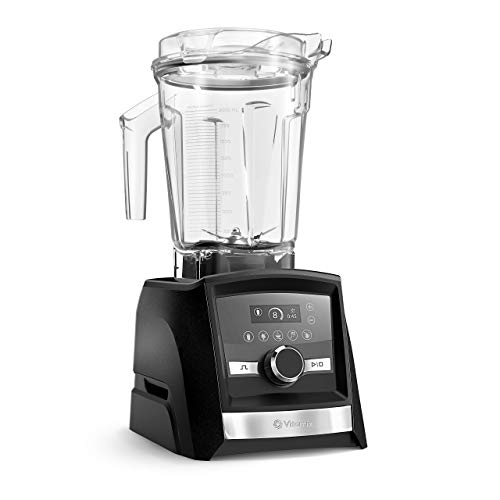
 Vitamix A3500 Ascent Series Smart Blender, Professional-Grade, 64 oz. Low-Profile Container, Graphite
-
SHARDOR Coffee & Spice Grinders Electric, 2 Removable Stainless Steel Bowls for Dry or Wet Grinding, Black
-
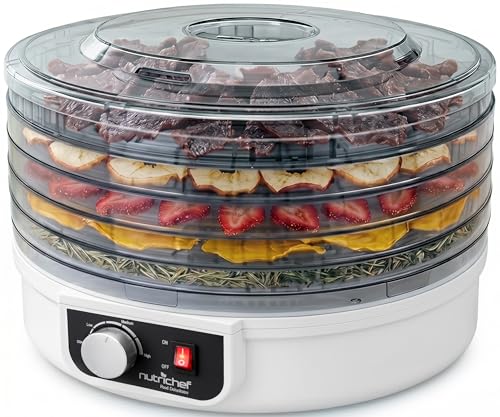
Electric Food Dehydrator Machine, Professional Multi-Tier Kitchen Food Appliances, Meat or Beef Jerky Maker, Fruits and Vegetable Dryer with 5 Stackable Trays, High-Heat Circulations- NutriChef PKFD12

Nutrition Information:
Yield:
50Serving Size:
1Amount Per Serving: Calories: 5Total Fat: 0gUnsaturated Fat: 0gSodium: 0mgCarbohydrates: 1gFiber: 0gSugar: 1gProtein: 0g
For cold dishes, cook the elderberry preparation first, cool it promptly, and refrigerate until needed. University of Minnesota Extension recommends boiling elderberries for at least 10 minutes. This is general elderberry guidance rather than a tested method for every powder-based recipe, so follow a suitable recipe with sufficient liquid and cooking time. Simply stirring uncooked powder into hot food does not replace cooking.



Thank you. First time i hear about the powder. Definitely something to try !
I use a lot of elderberry and elderflower – syrup, tincture, tea, oxymel, and so on, but I hadn’t considered powdering it, so thank you for this awesome idea! I’ll try this with the next batch of elderberries I harvest. 🙂
I have used, grown and preserved elder berries for years and have never once thought to make powder – thank you! This would be so easy to integrate into anything once powdered. New project!
Do you have any suggestions for using the Powder in Waffles or Pancakes ?
I like to sprinkle 1-2 teaspoons on the top of pancakes or waffles with other fruits or jams
Skvělý nápad, musím to taky zkusit.
Can you store in the freezer? Love the powdered idea, never thought of this!
Hi Lisa,
I love it too, the powder is versatile with many possibilities to use. I store mine in an airtight container and it can last at least one year. Why do you want to freeze it?
Hi, I am trying to find the amount I should use to make syrup. What is the sub conversion from dried berries to powder?
Thank you
Hi Diosa, if you want to use 1 cup of dried elderberries to make a syrup, use 128 g or 4.5 oz of the elderberry powder instead.
I want to make a ticture from elderberry powder. How much powder should i use?
Hi Jennifer, I would do 1:4 ratio. So use 142 g of elderberry powder for 600ml (20 oz.) of 100 proof alcohol.
wheb you grind the dried berries, do you grind the seeds also?
HI Judy, I grind the whole berries including the seeds.
I thought about doing this long ago as I am very blessed to live where elderberry bushes (trees are very abundant) so I make syrup yearly.
But what kept me from making a powder was the seeds-I always thought they were toxic as well so never paid any mind to doing so.
Can you share some studies with me about the toxicity of the seeds? Also I thought that elderberries always had to be cooked. I have only used fresh berries.
Thanks for the info
Hello,
Please refer to the paragraph in this post called “are elderberries toxic?” where I explained my concerns.
When it comes to toxicity of elderberries the toxic components are Cyanogenic glycoside. Cited from below study:i”mportant to establish that the types and levels of CNGs observed in american Elderberries are very low and pose no threat to consumers in the use of fresh or processed elderberries. Moreover higher concentrations of Cyanogenic glycosides are recorded in pooled stems and unripe (green) berries.
https://www.ncbi.nlm.nih.gov/pmc/articles/PMC7961730/
Hello 👋
Could I use this powder to colour a rose balm or salve? How would it affect the use by date? Thanks x
Elderberry powder is water soluble and will not disperse evenly in the oil-based mixture. Instead, it may form clumps and not impart any color.
You noted that you use uncooked berries to dry as you want to avoid loss of nutrients through heating, however, when I flipped over to the elderberry tea recipe it says the berries need to be steeped or heated for at least 20 minutes. This seems contradictory. Can you please clarify? Thank you
Hi G,
The difference lies in the purposes of the two processes. When drying berries, especially for long-term storage or to maintain their raw nutritional content, you want to avoid heat because it can degrade some nutrients. On the other hand, when making elderberry tea, heating the berries is necessary to extract the beneficial compounds and flavors into the tea. The heating process in tea-making is typically short-term and aimed at extracting rather than preserving the berry’s raw nutrient profile. So, while drying maintains raw nutrients, steeping or heating in tea is about maximizing the extraction of beneficial properties. Vladka
I was wondering if I could use the powder in a pound cake recipe. I bought some at the Dekalb Farmers Market last week, and would love some recipes to use it in.
Hi Fran,
what a great idea! You can definitely add elderberry powder to a pound cake. Just whisk 1–2 tablespoons into the dry ingredients for a subtle berry flavor and pretty purple hue. For extra color and taste, try making a quick glaze with powdered sugar, lemon juice, and a pinch of elderberry powder to drizzle on top. All the best.